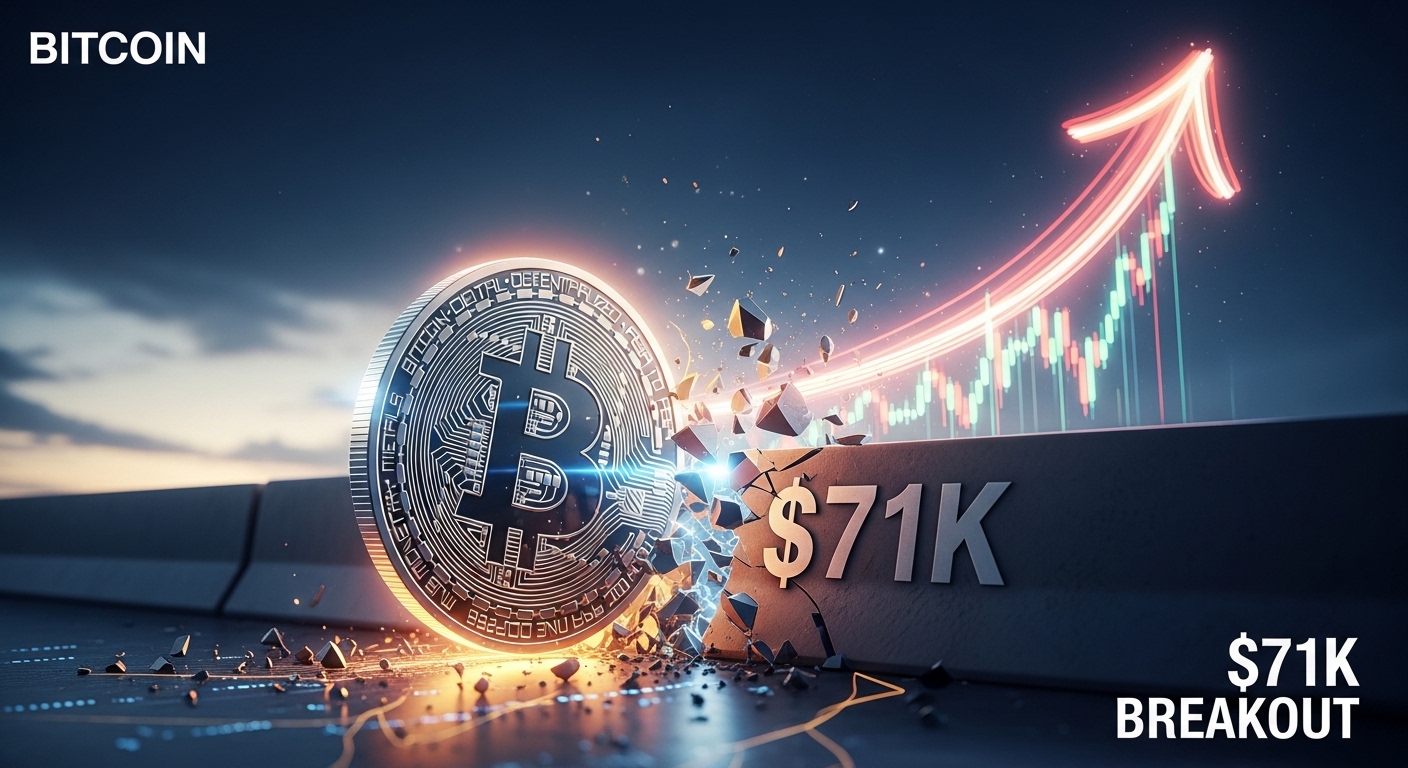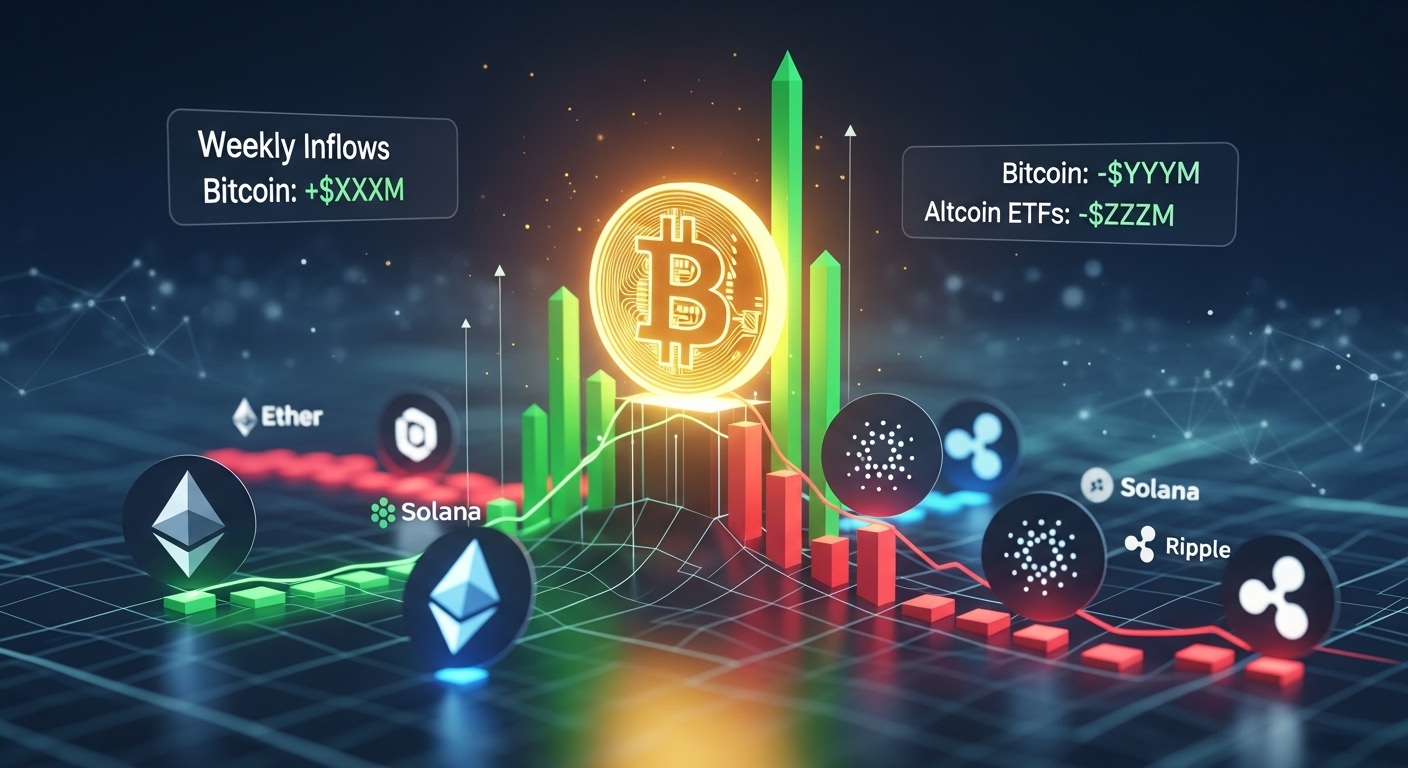
Bitcoin stages tepid recovery as Iran strikes stir uncertainty, capturing the attention of global investors navigating a fragile financial landscape. The cryptocurrency market, known for its volatility and rapid sentiment shifts, found itself once again reacting to geopolitical developments after reports of escalating tensions involving Iran. As headlines dominated global media cycles, risk assets — including cryptocurrencies — felt the immediate impact.
In recent sessions, Bitcoin price action reflected cautious optimism rather than aggressive bullish momentum. After an initial dip triggered by geopolitical shockwaves, the world’s largest cryptocurrency by market capitalization began stabilizing, hinting at a slow and fragile rebound. However, the broader environment remains clouded by uncertainty, leaving traders and institutional investors weighing risk exposure carefully.
This tepid recovery is not happening in isolation. It comes amid evolving macroeconomic conditions, fluctuating crypto market sentiment, and heightened global tensions. As Bitcoin stages tepid recovery as Iran strikes stir uncertainty, the question facing investors is whether this rebound signals resilience or merely a temporary pause before further volatility.
The Immediate Market Reaction to Iran Strikes
When news of military strikes involving Iran surfaced, traditional and digital markets responded swiftly. Equity indices wavered, oil prices surged, and safe-haven assets such as gold experienced inflows. Within hours, the cryptocurrency market saw heightened volatility.
Risk-Off Sentiment Grips Investors
Geopolitical tensions often trigger a “risk-off” environment. Investors reduce exposure to speculative assets and shift capital toward perceived stability. In this context, Bitcoin initially experienced downward pressure as traders rushed to de-risk portfolios.
Despite narratives positioning Bitcoin as “digital gold,” its short-term behavior frequently mirrors high-growth technology stocks. The immediate reaction following the Iran strikes highlighted this dynamic, as Bitcoin’s price retraced alongside broader risk assets.
However, unlike previous geopolitical shocks that resulted in prolonged sell-offs, this time the downside momentum appeared limited. That nuance explains why Bitcoin stages tepid recovery as Iran strikes stir uncertainty rather than collapsing outright.
Volatility Spikes Across Crypto Markets
Volatility metrics surged as leveraged positions were liquidated across major exchanges. Altcoins faced sharper declines, underscoring Bitcoin’s relative strength within the digital asset ecosystem.
Trading volumes spiked dramatically, reflecting panic selling and opportunistic buying. This pattern is consistent with previous geopolitical events, where initial fear-driven moves are often followed by stabilization as markets reassess real economic impacts.
Bitcoin’s Tepid Recovery Explained
The phrase “Bitcoin stages tepid recovery as Iran strikes stir uncertainty” encapsulates a slow, cautious rebound rather than an explosive rally. Why the recovery remains muted requires examining technical, psychological, and macroeconomic factors.
Technical Support Levels Hold Firm
From a technical analysis perspective, Bitcoin found support at key price zones that traders had been monitoring for weeks. Strong buying interest near these levels prevented a deeper correction. Market participants interpreted the defense of support as a sign of underlying demand. This contributed to gradual upward movement, but the lack of strong bullish catalysts kept gains limited.
Momentum indicators suggest that while selling pressure has eased, conviction among buyers remains tentative. This reinforces the notion of a tepid rather than robust recovery.
Investor Psychology in Uncertain Times
Geopolitical uncertainty influences investor psychology profoundly. Even seasoned traders hesitate to deploy significant capital when global tensions escalate. Bitcoin stages tepid recovery as Iran strikes stir uncertainty largely because confidence has not fully returned. Institutional investors, in particular, tend to adopt a wait-and-see approach during geopolitical crises. Retail traders may attempt short-term trades, but sustained rallies typically require broader participation. The cautious rebound reflects a market trying to balance fear with opportunity.
Bitcoin as a Hedge During Geopolitical Crises
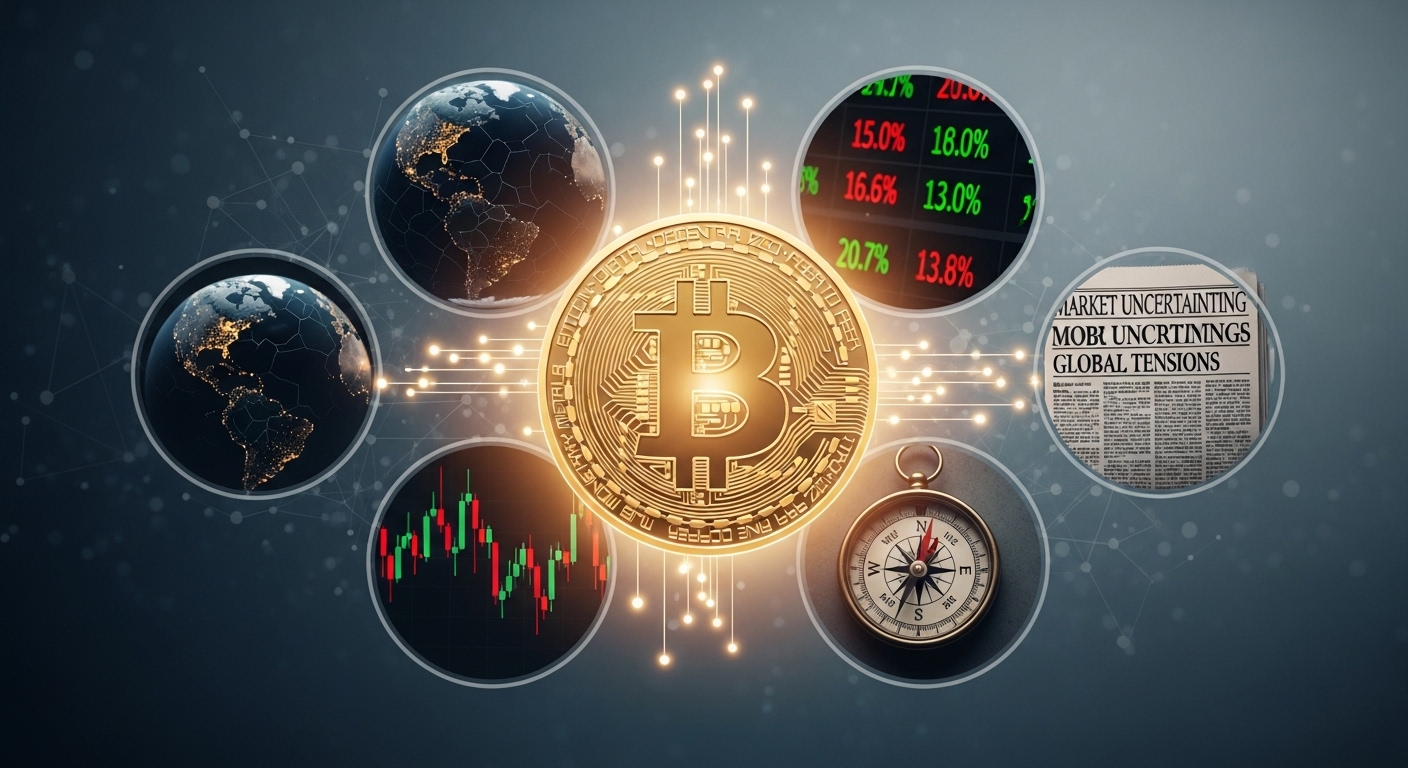
A recurring debate in financial circles revolves around whether Bitcoin acts as a hedge against geopolitical instability. The recent Iran-related tensions provide another case study.
Comparing Bitcoin to Traditional Safe Havens
Historically, assets like gold and U.S. Treasury bonds benefit from geopolitical shocks. Bitcoin’s behavior has been more nuanced. While some investors view it as a decentralized alternative immune to state control, its volatility often undermines its safe-haven appeal in the short term. During the Iran strikes, gold saw immediate inflows, while Bitcoin initially dipped. Only after markets digested the news did Bitcoin begin its modest rebound.
This suggests that while Bitcoin may offer long-term protection against currency debasement or systemic risk, it does not yet consistently function as a short-term geopolitical hedge.
Long-Term Decentralization Narrative
Despite short-term turbulence, the broader narrative supporting Bitcoin remains intact. In regions experiencing capital controls or economic instability, demand for decentralized assets can rise. If geopolitical tensions were to escalate further, Bitcoin could eventually benefit from increased interest in censorship-resistant financial systems. However, the current tepid recovery indicates that investors are not yet positioning aggressively for such outcomes.
Broader Crypto Market Implications
As Bitcoin stages tepid recovery as Iran strikes stir uncertainty, the ripple effects extend beyond BTC itself.
Altcoins Face Heightened Pressure
Altcoins typically amplify Bitcoin’s movements, both upward and downward. In this scenario, many alternative cryptocurrencies experienced sharper declines before stabilizing.
The flight to relative safety within crypto often benefits Bitcoin at the expense of smaller-cap tokens. This rotation reflects risk management strategies among traders seeking liquidity and stability.
Stablecoins and Capital Flows
Stablecoin activity increased during peak volatility. Investors frequently move funds into stablecoins as a temporary safe harbor within the crypto ecosystem. This internal capital shift can slow down sell-offs, as funds remain within exchanges rather than exiting the crypto market entirely. The presence of significant stablecoin liquidity may partially explain why Bitcoin stages tepid recovery as Iran strikes stir uncertainty instead of facing sustained declines.
Macroeconomic Factors Compounding Uncertainty
Geopolitical tensions rarely occur in isolation. They intersect with macroeconomic trends such as inflation, interest rates, and central bank policy.
Inflation and Monetary Policy
If Iran-related tensions impact energy prices, inflationary pressures could intensify globally. Higher oil prices often ripple through supply chains, influencing central bank decisions.
For Bitcoin, persistent inflation can strengthen its appeal as a store of value over time. However, if central banks respond with tighter monetary policy, liquidity conditions may constrain speculative assets, including cryptocurrencies. This macro backdrop adds complexity to the current market environment.
Correlation With Equity Markets
Bitcoin’s correlation with major stock indices remains significant. During periods of stress, synchronized moves between equities and crypto can amplify volatility. The recent tepid recovery aligns with stabilization in broader markets. As long as global equities remain fragile, Bitcoin’s upside may remain capped.
Institutional Participation and Market Structure
Institutional involvement has transformed Bitcoin’s market structure over the past few years. Hedge funds, asset managers, and publicly traded companies now influence price dynamics.
Risk Management Strategies
Large institutions typically employ sophisticated risk management frameworks. During geopolitical crises, these entities may reduce exposure across all high-volatility assets, including crypto. This institutional caution contributes to measured rebounds rather than sharp V-shaped recoveries. As Bitcoin stages tepid recovery as Iran strikes stir uncertainty, institutional flows remain a crucial variable.
Derivatives and Leverage
The growth of Bitcoin futures and options markets adds another layer of complexity. Leverage can exacerbate both sell-offs and rebounds. Recent liquidations highlight the importance of risk management in highly leveraged environments. A more sustainable recovery may require reduced leverage and stronger spot market demand.
What Could Drive a Stronger Bitcoin Rally?
While Bitcoin stages tepid recovery as Iran strikes stir uncertainty, several catalysts could shift momentum more decisively.
De-Escalation of Geopolitical Tensions
A diplomatic resolution or easing of tensions involving Iran would likely reduce market anxiety. Improved sentiment could encourage renewed risk-taking across asset classes. In such a scenario, Bitcoin might transition from a tepid rebound to a more robust upward trend.
Positive Regulatory Developments
Clearer regulatory frameworks in major economies could also strengthen investor confidence. Institutional adoption tends to accelerate when legal uncertainties diminish. Although geopolitical shocks dominate headlines, structural developments within the crypto industry remain equally influential.
Conclusion
Bitcoin stages tepid recovery as Iran strikes stir uncertainty, reflecting a market caught between resilience and caution. The initial sell-off underscored crypto’s sensitivity to geopolitical risk, while the subsequent stabilization demonstrated underlying demand and structural maturity. Yet the recovery remains fragile. Investor sentiment, macroeconomic trends, institutional flows, and geopolitical developments will all shape Bitcoin’s trajectory in the coming weeks.
For now, the cautious rebound signals that while Bitcoin has not succumbed to panic, it has not fully reclaimed bullish momentum either. As global uncertainties persist, the cryptocurrency market continues to navigate a complex interplay of fear, opportunity, and evolving narratives.
FAQs
Q: Why did Bitcoin react to the Iran strikes?
Bitcoin reacted because geopolitical tensions often trigger risk-off sentiment. Investors reduce exposure to volatile assets, leading to short-term price declines before stabilization.
Q: Is Bitcoin a safe haven during geopolitical crises?
Bitcoin has characteristics of a decentralized hedge, but in the short term it often behaves like a risk asset. Its safe-haven status remains debated.
Q: Why is the recovery described as “tepid”?
The recovery is considered tepid because gains have been gradual and limited, lacking strong bullish momentum or high conviction buying.
Q: How do geopolitical events impact the crypto market overall?
Such events increase volatility, shift capital toward stablecoins or major cryptocurrencies like Bitcoin, and reduce appetite for smaller altcoins.
Q: What should investors watch next?
Investors should monitor geopolitical developments, macroeconomic indicators, central bank policy decisions, and overall market sentiment to gauge Bitcoin’s next move.