The cryptocurrency industry continues to evolve at a rapid pace, with blockchain networks competing to deliver faster speeds, lower costs, and better scalability. Among these networks, Solana has emerged as a dominant force, capturing global attention with its remarkable performance metrics. Recent Solana News highlights a staggering milestone: SOL now handles 44% of all crypto transactions globally. This development marks a significant shift in the blockchain ecosystem and signals growing adoption of high-performance networks.
This surge is not just a number—it represents a broader transformation in how decentralized systems operate. As users and developers increasingly prioritize efficiency and cost-effectiveness, Solana blockchain is positioning itself as a leading infrastructure for decentralized applications, DeFi protocols, NFTs, and Web3 innovations.
In this article, we will explore the factors behind Solana’s rapid growth, analyze its technological advantages, assess its impact on the crypto market, and discuss what this milestone means for investors and the future of blockchain technology.
The Rise of Solana in the Crypto Ecosystem
The journey of Solana (SOL) from a relatively new blockchain to a global powerhouse has been nothing short of extraordinary. Designed to address the scalability issues faced by earlier blockchains, Solana introduced a unique combination of Proof of History (PoH) and Proof of Stake (PoS) mechanisms.
This hybrid consensus model allows the network to process thousands of transactions per second while maintaining decentralization and security. As a result, Solana has gained traction among developers looking to build scalable applications without the high fees associated with other networks.
The latest Solana News showcasing its dominance in transaction volume reflects the growing trust in its infrastructure. As blockchain adoption increases worldwide, networks capable of handling large-scale usage are naturally gaining an edge.
The 44% Transaction Milestone
What Does It Mean for Solana?
Handling 44% of global crypto transactions is a monumental achievement. It indicates that nearly half of all blockchain activity is being processed on the Solana network. This includes transfers, smart contract interactions, NFT minting, and DeFi operations.
This milestone highlights Solana’s ability to manage high throughput efficiently, making it a preferred choice for applications requiring real-time processing. It also demonstrates that users are actively choosing Solana over competing networks due to its performance benefits.
Impact on the Broader Crypto Market
The dominance of Solana in transaction volume has implications for the entire cryptocurrency ecosystem. It suggests a shift away from slower, more expensive blockchains toward high-speed, low-cost alternatives.
This trend is likely to influence how future blockchain projects are designed. Developers may prioritize scalability and user experience, following Solana’s model to remain competitive in a rapidly evolving market.
Key Factors Driving Solana’s Growth
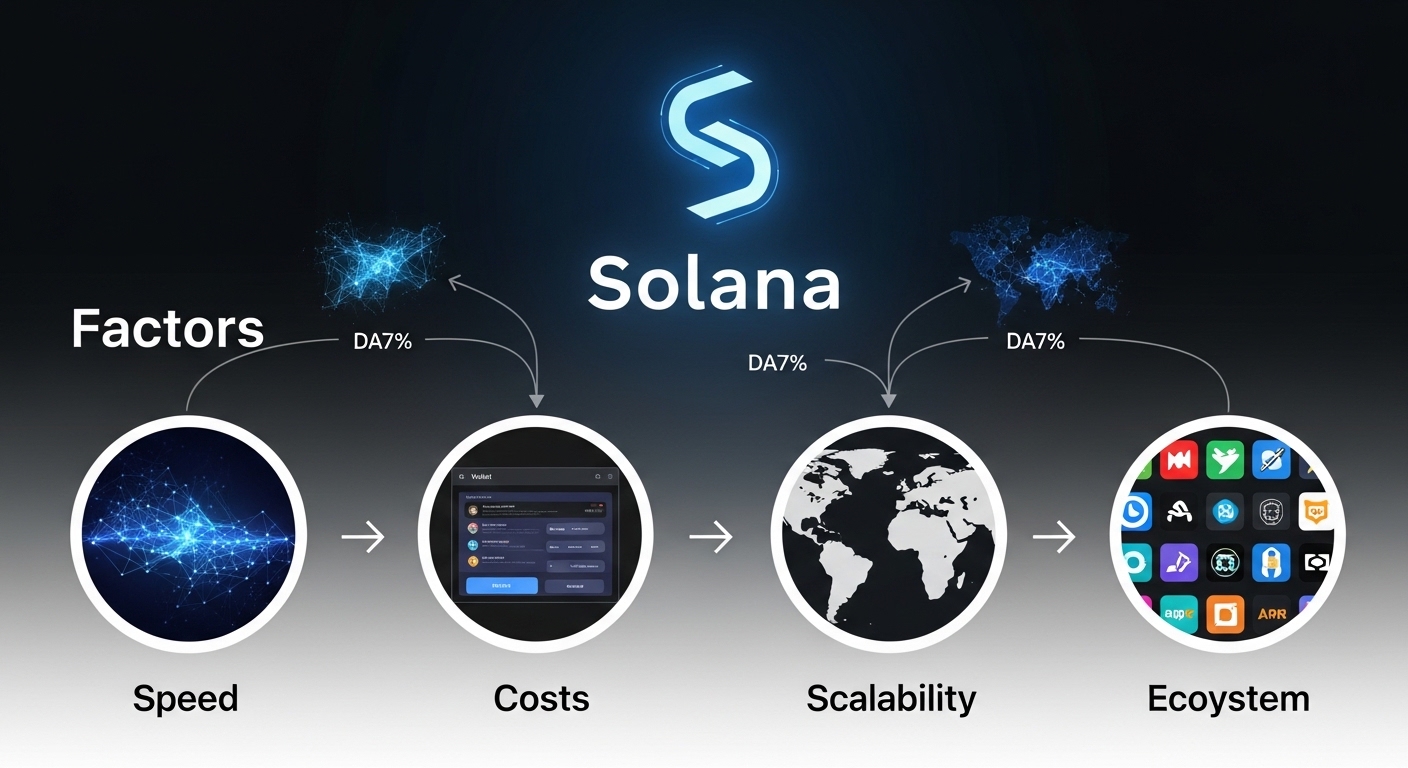
High-Speed Transactions and Scalability
One of the primary reasons behind Solana’s success is its unmatched transaction speed. The network can process tens of thousands of transactions per second, significantly outperforming many traditional blockchains.
This scalability ensures that users experience minimal delays, even during periods of high demand. As a result, Solana is well-suited for applications such as gaming, decentralized finance, and real-time trading platforms.
Low Transaction Costs
Another critical factor highlighted in Solana News is its extremely low transaction fees. Unlike other networks where fees can spike during congestion, Solana maintains consistently low costs.
This affordability makes it accessible to a broader audience, including retail users and developers with limited budgets. Lower fees also encourage more frequent transactions, contributing to the network’s high activity levels.
Growing Ecosystem and Developer Adoption
The Solana ecosystem has expanded rapidly, with thousands of projects building on its infrastructure. From DeFi platforms to NFT marketplaces and Web3 applications, the network supports a wide range of use cases.
This growth is fueled by strong developer support, comprehensive tools, and an active community. As more projects launch on Solana, the network’s transaction volume continues to increase, reinforcing its dominance.
Solana vs Other Blockchains
Comparing Performance and Efficiency
When compared to other major blockchains, Solana stands out for its speed and efficiency. Networks like Ethereum, while highly secure and widely used, often struggle with congestion and high fees.
In contrast, Solana offers a seamless experience with faster confirmations and lower costs. This advantage has contributed to its growing share of global transactions, as highlighted in recent Solana News.
Market Position and Competitive Edge
Solana’s ability to handle 44% of all crypto transactions positions it as a serious competitor to established networks. Its high throughput blockchain architecture provides a strong foundation for future growth. As competition intensifies, Solana’s continued innovation will be crucial in maintaining its market position and attracting new users.
The Role of DeFi and NFTs in Solana’s Growth
Expansion of Decentralized Finance
Decentralized finance has played a significant role in driving activity on the Solana network. With faster transaction speeds and lower fees, users can trade, lend, and stake assets more efficiently. This has led to increased adoption of DeFi protocols on Solana, contributing to the network’s high transaction volume.
NFT Boom on Solana
The rise of Solana NFTs has also fueled its growth. Artists and creators are drawn to the platform due to its affordability and speed, enabling them to mint and trade NFTs without high costs. As the NFT market continues to evolve, Solana is likely to remain a key player, further boosting its transaction share.
Challenges and Criticisms
Network Outages and Reliability Concerns
Despite its impressive growth, Solana has faced criticism for occasional network outages. These disruptions have raised concerns about reliability and decentralization. While the development team has taken steps to address these issues, maintaining consistent performance will be essential for long-term success.
Centralization Debate
Some critics argue that Solana’s architecture may lead to centralization, as running a node requires significant hardware resources. This has sparked debates within the crypto community about the balance between scalability and decentralization. Addressing these concerns will be crucial for sustaining trust and adoption.
Future Outlook for Solana

Continued Innovation and Upgrades
The future of Solana looks promising, with ongoing improvements aimed at enhancing scalability, security, and reliability. These upgrades are expected to strengthen its position as a leading blockchain network.
Potential for Mass Adoption
As blockchain technology becomes more mainstream, networks like Solana that offer speed and affordability are well-positioned for mass adoption. The milestone highlighted in Solana News could be just the beginning of even greater growth.
What This Means for Investors
Bullish Sentiment Around SOL
The fact that SOL handles 44% of crypto transactions has generated significant interest among investors. This level of activity indicates strong demand and real-world utility, which are key factors in determining long-term value.
Risks to Consider
While the outlook is positive, investors should also consider potential risks, including market volatility, competition, and technical challenges. A balanced approach is essential when evaluating investment opportunities in the crypto space.
Conclusion
The latest Solana News revealing that SOL now handles 44% of all crypto transactions globally marks a pivotal moment in the evolution of blockchain technology. This achievement underscores Solana’s strengths in scalability, speed, and cost efficiency, positioning it as a leader in the industry.
As the crypto market continues to grow, Solana’s ability to handle large-scale activity will play a crucial role in shaping the future of decentralized applications. While challenges remain, the network’s rapid adoption and ongoing innovation suggest a bright future ahead. For investors, developers, and users alike, Solana represents a compelling example of how blockchain technology is evolving to meet the demands of a digital world.
FAQs
Q: Why is Solana handling so many crypto transactions?
Solana’s high-speed processing, low fees, and scalable infrastructure make it an attractive choice for users and developers, leading to increased transaction volume.
Q: Is Solana better than other blockchains?
Solana excels in speed and cost efficiency, but each blockchain has its strengths. The best choice depends on specific use cases and priorities.
Q: What are the risks associated with Solana?
Potential risks include network outages, centralization concerns, and competition from other blockchain platforms.
Q: How does Solana achieve high scalability?
Solana uses a unique combination of Proof of History and Proof of Stake to process transactions efficiently and maintain network performance.
Q: Is SOL a good investment in 2026?
SOL shows strong growth potential due to high adoption and transaction volume, but investors should conduct thorough research and consider market risks before investing.