The decentralized finance ecosystem has witnessed rapid evolution over the past few years, with governance platforms playing a pivotal role in shaping how decentralized autonomous organizations (DAOs) function. Among these platforms, Tally emerged as a prominent Ethereum governance app that simplified voting, proposal tracking, and community decision-making. However, recent news that Ethereum governance app Tally is set to wind down operations has sparked widespread discussion across the crypto community.
This development raises important questions about the sustainability of governance tools, the future of DAO infrastructure, and the broader trajectory of Ethereum-based ecosystems. As blockchain technology continues to mature, the closure of a notable platform like Tally signals both challenges and opportunities for innovation in decentralized governance. In this article, we’ll explore why Ethereum governance app Tally is shutting down, its impact on DAOs, alternative solutions, and what this means for the future of decentralized governance.
The Rise of Ethereum Governance App Tally
What Made Tally a Key Player in DAO Governance
Ethereum governance app Tally quickly gained traction as a user-friendly interface for DAO governance. Built to support on-chain governance, it allowed token holders to participate in voting, delegate their voting power, and track governance proposals in real time. The success of Tally was largely driven by its ability to simplify complex governance processes. Many users in the Ethereum ecosystem lack the technical expertise to interact directly with smart contracts. Tally bridged this gap by offering an intuitive dashboard that made DAO participation more accessible Additionally, Tally supported major DAOs, enabling seamless interaction with governance protocols. Its integration with wallets and its clean user experience positioned it as one of the go-to tools for decentralized governance.
The Growing Importance of Governance Tools
As decentralized systems expanded, governance tools like Tally became essential infrastructure. They empowered communities to make decisions without centralized authorities, reinforcing the core ethos of blockchain technology. The emergence of decentralized governance platforms, token-based voting systems, and community-led decision-making highlighted the need for reliable tools. Tally’s role in this ecosystem was not just functional but foundational, helping shape how DAOs operate today.
Why Ethereum Governance App Tally Is Shutting Down
Financial and Sustainability Challenges
One of the primary reasons behind the decision to wind down Ethereum governance app Tally is likely related to financial sustainability. Building and maintaining blockchain-based applications requires continuous investment in development, security, and infrastructure. Unlike traditional SaaS platforms, monetizing governance tools can be challenging. Many DAOs expect free or low-cost services, which limits revenue opportunities. This creates a difficult environment for platforms like Tally to sustain long-term operations. The broader crypto market volatility may have also contributed to funding challenges, making it harder for projects to secure ongoing support.
Shifts in the DAO Ecosystem
The DAO ecosystem itself has undergone significant changes. New governance models, experimental voting mechanisms, and evolving user expectations have reshaped the landscape. Some DAOs are moving toward custom governance frameworks, reducing reliance on third-party platforms. Others are exploring layer-2 solutions and alternative chains, which may not align with Tally’s infrastructure. These shifts may have reduced Tally’s relevance in a rapidly diversifying ecosystem.
Increasing Competition
Competition in the governance tools space has intensified. Numerous platforms now offer similar or enhanced features, including improved analytics, multi-chain support, and deeper integrations. As a result, Tally faced pressure to continuously innovate. Maintaining a competitive edge requires significant resources, and falling behind in feature development can lead to declining user adoption. The rise of multi-chain governance platforms and advanced DAO tooling likely played a role in Tally’s decision to wind down operations.
Impact on DAOs and the Ethereum Ecosystem
Disruption for Existing Users
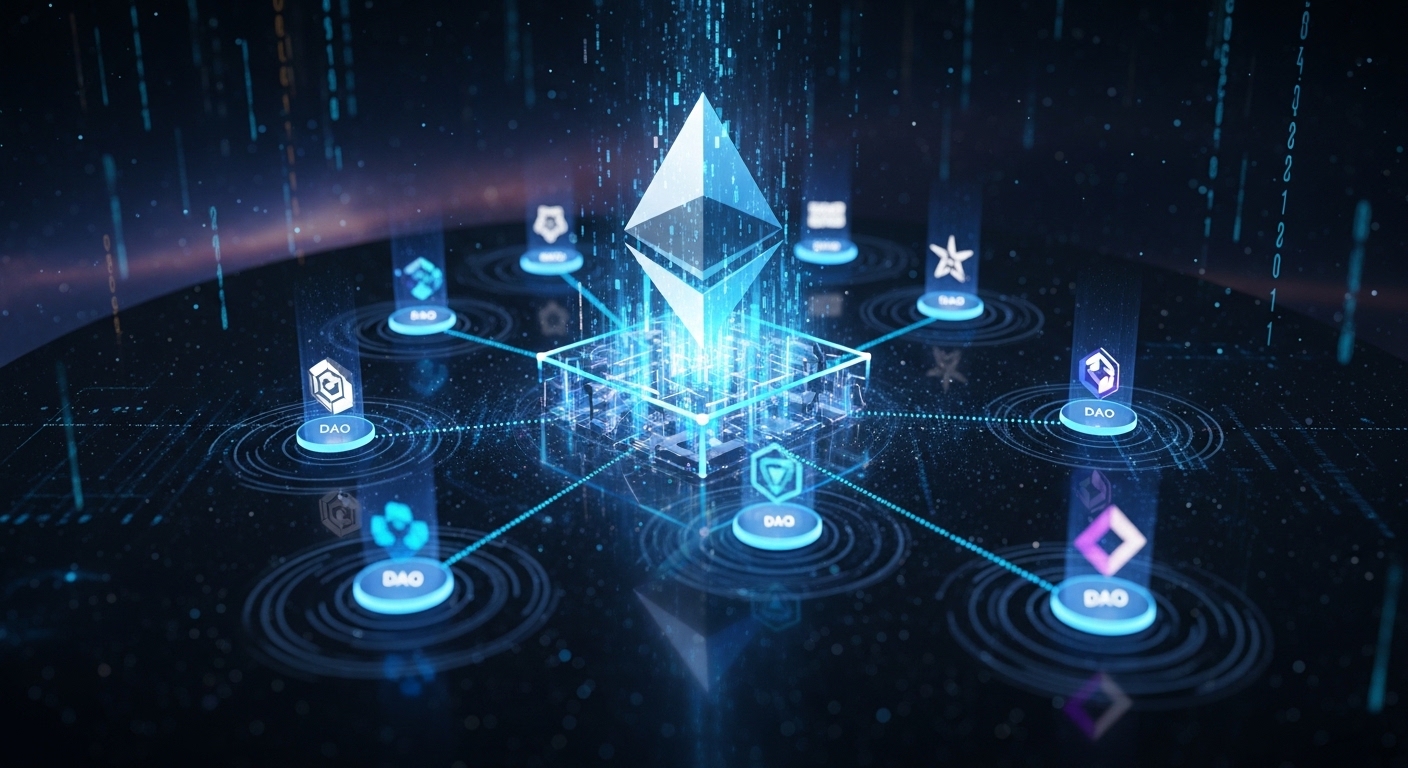
The shutdown of Ethereum governance app Tally will directly impact DAOs and users who rely on the platform. Organizations that used Tally for governance will need to migrate to alternative solutions. This transition may involve technical challenges, such as transferring governance data, ensuring continuity in voting processes, and maintaining user engagement. For smaller DAOs, the disruption could be particularly significant, as they may lack the resources to quickly adapt.
A Wake-Up Call for Decentralized Infrastructure
Tally’s closure highlights a broader issue within the blockchain space: the fragility of critical infrastructure. Even decentralized ecosystems often depend on centralized tools and services. This situation underscores the need for truly decentralized governance solutions that are resilient and sustainable. It also emphasizes the importance of community ownership and open-source development.
Opportunities for Innovation
While the shutdown may seem like a setback, it also creates opportunities for innovation. Developers and entrepreneurs can step in to fill the gap left by Tally, introducing new solutions that address existing limitations. The demand for scalable governance tools, cross-chain compatibility, and enhanced user experiences remains strong. This could lead to the emergence of next-generation platforms that redefine DAO governance.
Alternatives to Ethereum Governance App Tally
Emerging Governance Platforms
With Ethereum governance app Tally winding down operations, several alternative platforms are gaining attention. These tools offer similar functionalities, often with additional features tailored to modern DAO needs. Many of these platforms focus on multi-chain support, allowing DAOs to operate across different blockchain networks. Others emphasize advanced analytics and real-time insights, helping communities make more informed decisions.
Custom DAO Governance Solutions
Some organizations are choosing to build their own governance systems. Custom solutions provide greater flexibility and control, enabling DAOs to design governance models that align with their specific goals. However, developing a custom governance framework requires technical expertise and resources. This approach may not be feasible for all organizations, particularly smaller communities.
Open-Source Governance Tools
Open-source alternatives are also gaining traction. These tools offer transparency, community-driven development, and reduced reliance on centralized providers. The adoption of open-source DAO infrastructure could help mitigate risks associated with platform shutdowns, ensuring long-term sustainability.
The Future of Ethereum Governance
Evolution of DAO Governance Models
The closure of Ethereum governance app Tally reflects a broader evolution in governance models. Traditional token-based voting systems are being re-evaluated, with new approaches emerging. Innovations such as quadratic voting, reputation-based governance, and delegated decision-making are gaining popularity. These models aim to address issues like voter apathy and concentration of power.
Integration with Layer-2 Solutions
As Ethereum continues to scale, layer-2 solutions are becoming increasingly important. Governance tools must adapt to support these networks, offering seamless integration and low-cost transactions. The future of governance will likely involve cross-layer interoperability, enabling DAOs to operate efficiently across multiple environments.
Focus on User Experience
User experience remains a critical factor in the adoption of governance tools. Platforms must balance complexity with accessibility, ensuring that users can participate without technical barriers. The next generation of governance apps will likely prioritize intuitive interfaces, mobile accessibility, and enhanced onboarding processes.
Lessons Learned from Tally’s Journey

The Importance of Sustainable Business Models
Tally’s shutdown highlights the need for sustainable business models in the blockchain space. Projects must find ways to generate revenue while maintaining accessibility and decentralization. This could involve innovative approaches such as protocol fees, premium features, or DAO-funded development.
Community Engagement Is Crucial
Strong community engagement is essential for the success of governance platforms. Projects that actively involve users in decision-making and development are more likely to thrive. Tally’s experience serves as a reminder that community-driven growth is a key factor in long-term sustainability.
Adaptability in a Rapidly Changing Ecosystem
The blockchain industry evolves at a rapid pace. Platforms must continuously adapt to changing trends, technologies, and user expectations. Failure to innovate can lead to obsolescence, even for well-established projects.
Conclusion
The decision for Ethereum governance app Tally to wind down operations marks a significant moment in the evolution of decentralized governance. While it presents challenges for existing users and DAOs, it also opens the door for new innovations and improved solutions. As the Ethereum ecosystem continues to grow, the demand for robust, scalable, and user-friendly governance tools will remain strong. Tally’s legacy will likely influence the next generation of platforms, shaping the future of DAO governance. Ultimately, this development serves as a reminder that the decentralized space is still maturing. With continued innovation and community involvement, the future of Ethereum governance remains promising.
FAQs
Q: Why is Ethereum governance app Tally shutting down?
Tally is likely shutting down due to financial sustainability challenges, increased competition, and shifts in the DAO ecosystem that reduced its relevance.
Q: What will happen to DAOs using Tally?
DAOs will need to migrate to alternative governance platforms or develop custom solutions to continue their operations.
Q: Are there alternatives to Tally?
Yes, several governance platforms offer similar features, including multi-chain support, advanced analytics, and improved user interfaces.
Q: How does this affect the Ethereum ecosystem?
The shutdown highlights the need for more resilient and decentralized infrastructure while creating opportunities for innovation in governance tools.
Q: What is the future of DAO governance?
The future includes advanced voting models, layer-2 integration, improved user experiences, and more sustainable governance platforms.