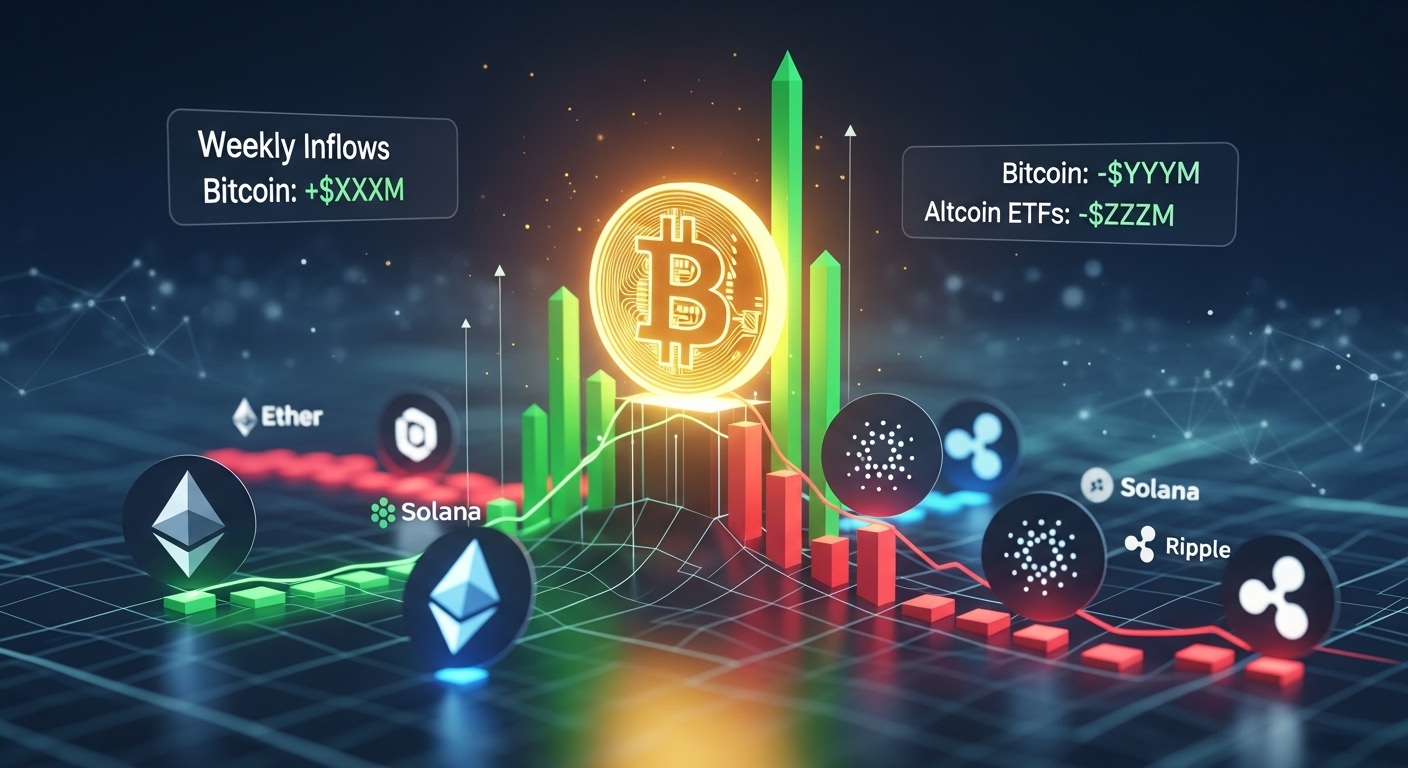
Bitcoin holds global financial markets often react dramatically to geopolitical tensions, yet the cryptocurrency market continues to demonstrate surprising resilience. Recently, Bitcoin held its ground despite escalating geopolitical concerns tied to rising tensions involving Iran and broader instability in the Middle East. At the same time, institutional demand for Bitcoin strengthened significantly as Bitcoin exchange-traded funds (ETFs) recorded inflows exceeding $760 million.
This combination of geopolitical uncertainty and strong institutional investment has created a fascinating dynamic in the digital asset market. Traditionally, geopolitical conflicts trigger volatility across risk assets such as equities and commodities. However, Bitcoin’s performance during this period suggests that the asset is increasingly being viewed as a digital store of value and a hedge against global uncertainty.
The surge in ETF inflows also reflects growing confidence among institutional investors. Over the past year, spot Bitcoin ETFs have emerged as one of the most important catalysts for the cryptocurrency market. By providing regulated exposure to Bitcoin through traditional financial platforms, ETFs have allowed hedge funds, asset managers, and retail investors to participate in the market more easily. As the Iran conflict escalates and traditional markets react with caution, Bitcoin’s ability to maintain price stability while attracting massive capital inflows raises an important question: Is Bitcoin evolving into a global safe-haven asset similar to gold? This article explores the reasons behind Bitcoin’s resilience, the significance of the $760 million ETF inflow milestone, and how geopolitical tensions may influence the future of the cryptocurrency market.
Bitcoin’s Resilience During Geopolitical Conflict
Geopolitical instability has historically created uncertainty in global markets. When conflicts escalate, investors typically move capital into assets perceived as safe stores of value such as gold, government bonds, or stable currencies. However, recent developments show that Bitcoin is increasingly joining this category of alternative safe-haven assets. As the Iran war intensifies, Bitcoin has managed to maintain relative stability compared with other high-risk assets. Several factors explain this resilience. One of the most important is the decentralized nature of the Bitcoin network. Unlike traditional financial systems that rely on centralized authorities, Bitcoin operates independently of governments and political institutions. This independence makes it attractive during periods of geopolitical instability.
Another reason for Bitcoin’s stability is the growing recognition of its fixed supply and scarcity model. With only 21 million coins ever to exist, Bitcoin’s limited supply creates a digital form of scarcity similar to precious metals. Investors often turn to scarce assets when uncertainty rises. Additionally, global conflicts tend to increase interest in borderless financial systems. Bitcoin’s ability to facilitate international transactions without intermediaries becomes especially valuable when political tensions disrupt traditional banking networks. As geopolitical events continue to unfold, Bitcoin’s performance suggests that it may be gradually gaining credibility as a global hedge against uncertainty.
The Significance of $760 Million in Bitcoin ETF Inflows
The surge of more than $760 million into Bitcoin ETFs represents one of the most powerful signals of institutional interest in the cryptocurrency market. Exchange-traded funds allow investors to gain exposure to Bitcoin without directly purchasing or storing the digital asset. This convenience has attracted large institutional investors who previously faced regulatory or logistical barriers when entering the crypto market. A key player in this space is BlackRock, whose spot Bitcoin ETF helped legitimize cryptocurrency as a mainstream financial asset. Major asset managers entering the Bitcoin ETF market have dramatically increased liquidity and investor confidence.
The $760 million inflow milestone reflects strong demand from institutional investors who view Bitcoin as a long-term macro investment rather than a short-term speculative asset. These inflows also have a direct impact on Bitcoin’s price dynamics. When ETFs receive new investments, fund managers must purchase Bitcoin to back the shares issued to investors. This creates additional buying pressure in the market. As more institutions allocate capital to Bitcoin through ETFs, the overall demand for the cryptocurrency increases, potentially supporting long-term price growth.
How Institutional Investors Are Shaping the Bitcoin Market
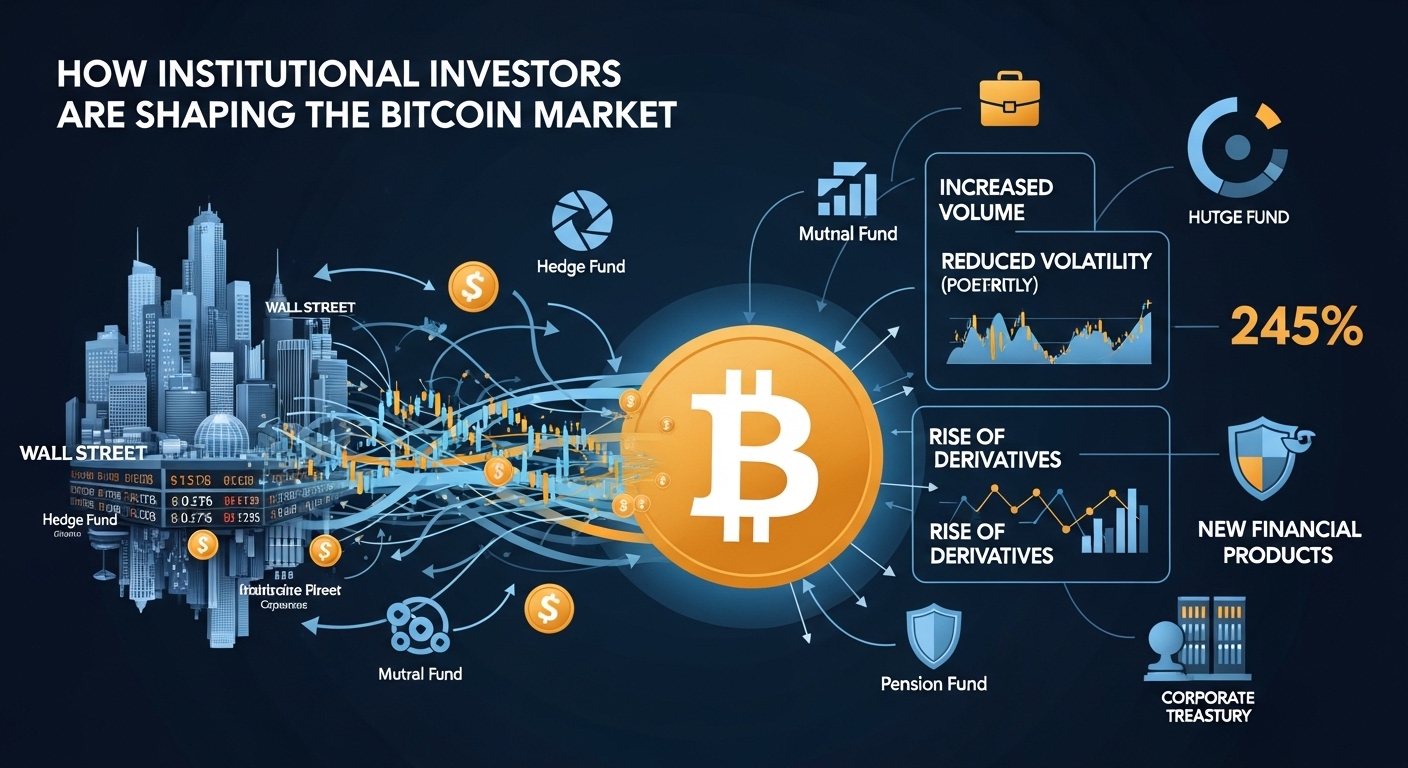
Institutional adoption has transformed the cryptocurrency market over the past several years. Early Bitcoin trading was dominated by retail investors and crypto enthusiasts. Today, however, hedge funds, asset managers, and large financial institutions play a significant role in market activity. The introduction of regulated Bitcoin ETFs has accelerated this trend. Institutional investors prefer financial instruments that operate within established regulatory frameworks, and ETFs provide exactly that.
As a result, the cryptocurrency market is becoming more integrated with traditional finance. This integration has several implications for Bitcoin’s future. First, institutional capital tends to be long-term oriented. Unlike short-term traders who frequently move in and out of positions, institutional investors often hold assets for extended periods. This behavior can reduce volatility and support gradual price appreciation.
Second, institutional participation increases market credibility. When respected financial institutions invest in Bitcoin, it signals confidence in the asset’s long-term viability. Finally, large capital inflows from institutions can significantly increase market liquidity. Higher liquidity makes the market more stable and attractive to additional investors. The $760 million ETF inflow is therefore more than just a short-term market event. It represents a broader shift in how Bitcoin is perceived within the global financial system.
Bitcoin as a Digital Safe-Haven Asset
The concept of Bitcoin as a digital safe-haven asset has been widely debated within the financial community. Traditionally, assets such as gold have served this role during times of economic uncertainty. Gold has historically been favored because of its scarcity, durability, and independence from government control. Bitcoin shares many of these characteristics, which has led some analysts to refer to it as “digital gold.”
During geopolitical crises, investors often seek assets that can preserve value regardless of political developments. Bitcoin’s decentralized architecture ensures that no single government can control or manipulate its monetary policy. Additionally, Bitcoin’s transparent blockchain allows anyone to verify transactions and supply levels, reinforcing trust in the system. As conflicts such as the escalating Iran war create uncertainty across global markets, Bitcoin’s resilience strengthens the narrative that it may function as a modern alternative to traditional safe-haven assets.
Market Reactions to the Escalating Iran Conflict

The escalation of tensions involving Iran has triggered volatility across several traditional markets. Oil prices often react sharply to developments in the Middle East due to the region’s importance in global energy production. Equity markets also tend to experience fluctuations as investors assess the potential economic impact of geopolitical conflicts. Currency markets may shift as traders move capital into perceived safe currencies such as the U.S. dollar. In contrast, Bitcoin’s ability to hold its ground during this period demonstrates a unique market dynamic. While cryptocurrencies were once considered highly speculative, Bitcoin’s recent stability suggests that it is gradually evolving into a macro-sensitive financial asset. This shift may indicate that investors are beginning to treat Bitcoin as part of a diversified portfolio designed to withstand geopolitical shocks.
The Role of Bitcoin Halving and Supply Dynamics
Another factor influencing Bitcoin’s resilience is its built-in supply mechanism known as the Bitcoin halving. Approximately every four years, the reward for mining new Bitcoin blocks is reduced by half. This process slows the rate at which new Bitcoin enters circulation, effectively tightening supply over time.
When combined with rising demand from institutional investors and ETF inflows, reduced supply can create strong upward pressure on price. Historically, Bitcoin has experienced significant price growth following halving events. While past performance does not guarantee future results, many analysts believe that the interaction between limited supply and increasing institutional demand could shape the next phase of Bitcoin’s market cycle.
Long-Term Implications for the Cryptocurrency Market
The convergence of geopolitical instability and institutional investment may represent a turning point for the cryptocurrency market. If Bitcoin continues to perform well during global crises, it could strengthen its reputation as a reliable alternative asset within diversified portfolios. Institutional investors often evaluate assets based on their ability to hedge against systemic risks. Bitcoin’s decentralized structure and global accessibility make it uniquely suited for this role.
Furthermore, the rapid growth of Bitcoin ETFs suggests that traditional financial infrastructure is becoming increasingly integrated with cryptocurrency markets. As more investors gain exposure to Bitcoin through regulated financial products, the overall market may become more stable and mature. This evolution could ultimately lead to broader adoption of digital assets across both institutional and retail investment landscapes.
Conclusion
Bitcoin’s ability to hold its ground as the Iran war escalates while attracting more than $760 million in ETF inflows highlights a remarkable shift in the cryptocurrency market. Once considered purely speculative, Bitcoin is increasingly being viewed as a strategic macro asset capable of performing during periods of geopolitical uncertainty. The surge in ETF investments reflects growing institutional confidence and signals that traditional financial institutions are embracing Bitcoin as part of the modern investment landscape. At the same time, Bitcoin’s decentralized nature, fixed supply, and global accessibility strengthen its position as a potential digital safe-haven asset.
While market volatility will always remain a factor in cryptocurrency investing, the combination of geopolitical resilience and strong institutional demand suggests that Bitcoin’s role in global finance may continue to expand. As global tensions and economic uncertainties evolve, Bitcoin’s performance during these challenging times may shape how investors perceive the future of digital assets.
FAQs
Q: Why did Bitcoin remain stable during the Iran conflict?
Bitcoin’s decentralized structure, limited supply, and growing recognition as a safe-haven asset helped it maintain stability despite geopolitical uncertainty.
Q: What are Bitcoin ETFs?
Bitcoin ETFs are investment funds that track the price of Bitcoin and allow investors to gain exposure through traditional stock exchanges without directly holding the cryptocurrency.
Q: Why are ETF inflows important for Bitcoin’s price?
When investors put money into Bitcoin ETFs, the funds typically purchase Bitcoin to back their shares, increasing demand and potentially supporting higher prices.
Q: Is Bitcoin becoming a safe-haven asset like gold?
Many analysts believe Bitcoin is gradually evolving into a digital store of value, similar to gold, especially during periods of economic or geopolitical uncertainty.
Q: How could geopolitical tensions affect the cryptocurrency market?
Geopolitical conflicts can drive investors toward assets that operate independently of governments, which may increase interest in decentralized cryptocurrencies like Bitcoin.